|
The Radiculopathy and Chiropractic Page
A Chiro.Org article collection
Explore this collection of articles that demonstrates that conservative chiropractic care is both safe and effective for the relief of radicular pain.
|
|
|
Chiropractic and Sciatica
A Chiro.Org article collection
Review the collected literature that supports chiropractic for sciatica.
|
|
|
The McKenzie Method Page
A Chiro.Org article collection
The McKenzie Method is grounded in finding a cause and effect relationship between the positions the patient usually assumes while sitting, standing, or moving, and the generation of pain as a result of those positions or activities. The therapeutic approach requires a patient to move through a series of activities and test movements to gauge the patient's pain response. The approach then uses that information to develop an exercise protocol designed to centralize or alleviate the pain.
|
|
|
Chiropractors as the Spinal Health Care Experts
A Chiro.Org article collection
Enjoy these learned articles about chiropractors as first-contact Spinal Health Care Experts.
|

|
Magnetic Resonance Spectroscopy Displays the Structural
and Biochemical Effects of Spinal Manipulative Therapy
in Lumbar Discogenic Pain: A Case Report
Research Square (Apr 4, 2023) ~ FULL TEXT
We report the first utilization of magnetic resonance spectroscopy (MRS) to quantify structural integrity and biochemical pain profile of the IVD in a conservatively managed discogenic low back pain (DLBP) patient. Findings of this case suggest spinal manipulative therapy in DLBP management may improve the structural integrity of IVDs and alter pain biochemistry.
|
|
|
Chiropractic Care of a Female Veteran After
Cervical Total Disk Replacement:
A Case Report
J Chiropractic Medicine 2022 (Mar); 21 (1): 60–65 ~ FULL TEXT
This is the first instance, to our knowledge, of a published case of chiropractic manipulation after CTDR. Before this case report, there was no available literature to guide chiropractic care after CTDR. This will hopefully serve as a call for future research to guide clinicians in the management of patients after CTDR. Evidence-based guidelines for chiropractic care after CTDR would be of value for chiropractors and other health care practitioners in guiding optimal patient care. This case report will hopefully stimulate discussion and future efforts to create a guideline for postsurgical chiropractic care in CTDR.
The optimal treatment dosage for chiropractic treatment depends on the severity, chronicity, and demographic characteristics of the patient. [13] Whalen et al published a chiropractic best practice recommending treatment of acute neck pain 3 times per week for 4 weeks, and chronic neck pain 2 times per month for several months; additionally, chronic neck pain with radiculopathy may take several months to treat, with an initial trial of care consisting of treatments 3 times per week for 4 weeks and then tapering in frequency as the patient improves. [13] In attempting to be consistent with guidelines recommended by the VA Chiropractic Field Advisory Committee, the initial trial of care consisted of 6 visits, which was stretched over 3 weeks. [18] After the initial 6–visit trial, care was continued twice a week for several weeks before treatment frequency was tapered as the patient improved.
|

|
An Assessment of Nonoperative Management Strategies in a
Herniated Lumbar Disc Population: Successes Versus Failure
Global Spine J 2021 (Sep); 11 (7): 1054–1063 ~ FULL TEXT
Nonoperative treatments included nonsteroidal anti-inflammatory drugs (NSAIDs), opioid medications, muscle relaxants, lumbar epidural steroid injections (LESIs), physical therapy and occupational therapy sessions (PT/OT), and chiropractor treatments. Regarding prescription opioids, only oxycodone hydrochloride, hydrocodone/acetaminophen, and oxycodone/acetaminophen, the most commonly utilized formulations (prescribed in >80% of patients) were queried. Emergency department (ED) visits for which a lumbar disc herniation was recorded as the primary complaint were also collected. All imaging studies involving the lumbar spine including X-rays, computed tomography scans, and magnetic resonance imaging studies were captured. Generic drug codes and CPT codes were used to query medication and procedures use, respectively (Appendix B).
|
|
|
Chiropractic Management of a Symptomatic Patient Who
Previously Had Surgery for Cauda Equina Syndrome
J Chiropractic Medicine 2021 (Jun); 20 (2): 85–89 ~ FULL TEXT
After 12 months, she reported a resolution of the lower back pain and radicular symptoms over the bilateral L5 and S1 dermatomes. Objectively, lower limb reflexes were recorded as 2+ bilaterally and myotomes as 5/5 bilaterally. Sensation was still reduced to sharp touch over the left S1 dermatome. There was no clonus at the ankle. Unfortunately, there was no change to the urinary incontinence and the patient still needed to self-catheterize. Currently, she is attending the practice every 3 weeks. She is able to attend personal training sessions at her local gym and has also started Pilates classes.
|
|
|
Chiropractic Nimmo Receptor-Tonus Technique and McKenzie
Self-Therapy Program in the Management of
Adjacent Segment Disease: A Case Report
J Chiropractic Medicine 2020 (Dec); 19 (4): 249–259 ~ FULL TEXT
This report illuminates and informs the chiropractic management of a patient with Adjacent segment disease (ASD). After 3 weeks of therapy, VAS and ODI scores were improved. Furthermore, she discontinued her medication, pregabalin 75 mg 2 times a day, under her neurosurgeon's supervision because the outcomes were significant enough for the patient to discontinue her long-standing medical prescription.
|
|
|
Differential Patient Responses to Spinal Manipulative
Therapy and their Relation to Spinal Degeneration and
Post-treatment Changes in Disc Diffusion
European Spine Journal 2019 (Feb); 28 (2): 259–269 ~ FULL TEXT
There was no significant difference in structural features between SMT responders and non-responders. However, SMT responders demonstrate a trend of a lower prevalence of severely degenerated facets and relatively high baseline ADC values of the L4–5 discs. Interestingly, SMT responders demonstrate post-SMT increases in apparent diffusion coefficient (ADC) values of discs associated with painful segments. These results suggest that SMT responses may be related to some underlying structural responses. Our findings provide a new hypothesis/direction for further investigating the underlying nature of the differential response to SMT, possible mechanisms of SMT and the existence of treatment-specific forms of LBP.
|
|
|
Comparison of Treatment Outcomes in Nonspecific Low-Back
Pain Patients With and Without Modic Changes
who Receive Chiropractic Treatment
J Manipulative Physiol Ther. 2018 (Sep); 41 (7): 561–570
The presence or absence of MCs and the category of MC, when present, were not related to the outcomes for LBP patients without lumbar disc herniations who were undergoing chiropractic treatment. This calls into question the clinical relevance of particularly MCs I as a serious pain generator and certainly challenges the theory that MCs are due to infection. These results are consistent with the ones found for lumbar disc herniation patients treated with high-velocity, low-amplitude spinal manipulation. This also supports the hypothesis that chiropractic care is a safe conservative treatment for patients presenting with nonspecific LBP, despite the presence of MCs.
|
|
|
Chiropractic Spinal Manipulation and the Risk for Acute
Lumbar Disc Herniation: A Belief Elicitation Study
European Spine Journal 2018 (Jul); 27 (7): 1517–1525 ~ FULL TEXT
Chiropractors expressed the most optimistic belief (median RR 0.56; IQR 0.39–1.03); family physicians expressed a neutral belief (median RR 0.97; IQR 0.64–1.21); and spine surgeons expressed a slightly more pessimistic belief (median RR 1.07; IQR 0.95–1.29). Clinicians with the most optimistic views believed that chiropractic SMT reduces the incidence of acute LDH by about 60% (median RR 0.42; IQR 0.29–0.53). Those with the most pessimistic views believed that chiropractic SMT increases the incidence of acute LDH by about 30% (median RR 1.29; IQR 1.11–1.59).
|
|
|
Chiropractic Care and Risk for Acute Lumbar Disc Herniation:
A Population-based Self-controlled Case Series
European Spine Journal 2018 (Jul); 27 (7): 1526–1537 ~ FULL TEXT
195 cases of acute LDH with early surgery (within 8 weeks) were identified in a population of more than 100 million person-years. Strong positive associations were found between acute LDH and both chiropractic and PCP visits. The risk for acute LDH with early surgery associated with chiropractic visits was no higher than the risk associated with PCP visits.
Both chiropractic and primary medical care were associated with an increased risk for acute LDH requiring ED visit and early surgery. Our analysis suggests that patients with prodromal back pain from a developing disc herniation likely seek healthcare from both chiropractors and PCPs before full clinical expression of acute LDH. We found no evidence of excess risk for acute LDH with early surgery associated with chiropractic compared with primary medical care.
|
|
|
Uneven Intervertebral Motion Sharing is Related to Disc
Degeneration and is Greater in Patients with Chronic,
Non-Specific Low Back Pain: An in Vivo, Cross-Sectional
Cohort Comparison of Intervertebral Dynamics
Using Quantitative Fluoroscopy
European Spine Journal 2018 (Jan); 27 (1): 145–153 ~ FULL TEXT
Greater inequality and variability of motion sharing was found in patients with CNSLBP than in controls, confirming previous studies and suggesting a biomechanical marker for the disorder at intervertebral level. The relationship between disc degeneration and MSI was augmented in patients, but not in controls during passive motion and similarly for MSV during active motion, suggesting links between in vivo disc mechanics and pain generation.
|
|
|
Influences of Lumbar Disc Herniation on the Kinematics
in Multi-segmental Spine, Pelvis, and Lower Extremities
During Five Activities of Daily Living
BMC Musculoskelet Disord. 2017 (May 25); 18 (1): 216 ~ FULL TEXT
Lumbar disc herniation (LDH) patients mainly restrict the motion of lower lumbar (LLx) and upper lumbar (ULx) in the spinal region during the five ADLs. Pelvic rotation is an important method to compensate for the limited lumbar motion. Furthermore, pelvic tilt and lower extremities' flexion increased when ADLs were quite difficult for LDH patients.
|
|
|
Running Exercise Strengthens the Intervertebral Disc
Scientific Reports 2017 (Apr 19); 7: 45975 ~ FULL TEXT
Via quantitative assessment of physical activity we further find that accelerations at fast walking and slow running (2 m/s), but not high-impact tasks, lower intensity walking or static positions, correlated to positive IVD characteristics. These findings represent the first evidence in humans that exercise can be beneficial for the IVD and provide support for the notion that specific exercise protocols may improve IVD material properties in the spine. We anticipate that our findings will be a starting point to better define exercise protocols and physical activity profiles for IVD anabolism in humans.
|
|
|
Tissue Loading Created During Spinal Manipulation in Comparison
to Loading Created by Passive Spinal Movements
Sci Rep. 2016 (Dec 1); 6: 38107 ~ FULL TEXT
Spinal manipulative therapy (SMT) creates health benefits for some while for others, no benefit or even adverse events. Understanding these differential responses is important to optimize patient care and safety. Toward this, characterizing how loads created by SMT relate to those created by typical motions is fundamental. Overall, SMT created both significantly greater and smaller loads compared to passive motions, with SMT generating greater anterioposterior peak force (the direction of force application) compared to all passive motions. In some comparisons, SMT did not create significantly different loads in the intact specimen, but did so in specific spinal tissues. Despite methodological differences between studies, SMT forces and loading rates fell below published injury values. Future studies are warranted to understand if loading scenarios unique to SMT confer its differential therapeutic effects.
|
|
|
Symptomatic, Magnetic Resonance Imaging-Confirmed Cervical
Disk Herniation Patients: A Comparative-Effectiveness
Prospective Observational Study of 2 Age- and Sex-
Matched Cohorts Treated With Either Imaging-Guided
Indirect Cervical Nerve Root Injections or
Spinal Manipulative Therapy
J Manipulative Physiol Ther. 2016 (Mar); 39 (3): 210–217 ~ FULL TEXT
"Improvement" was reported in 86.5% of SMT patients and 49.0% of CNRI patients (P = .0001). Significantly more CNRI patients were in the subacute/chronic category (77%) compared with SMT patients (46%). A significant difference between the proportion of subacute/chronic CNRI patients (37.5%) and SMT patients (78.3%) reporting "improvement" was noted (P = .002).
|
|
|
Symptomatic, MRI Confirmed, Lumbar Disc Herniations:
A Comparison of Outcomes Depending on the Type and
Anatomical Axial Location of the Hernia in Patients
Treated With High-Velocity, Low-Amplitude
Spinal Manipulation
J Manipulative Physiol Ther. 2016 (Mar); 39 (3): 192–199 ~ FULL TEXT
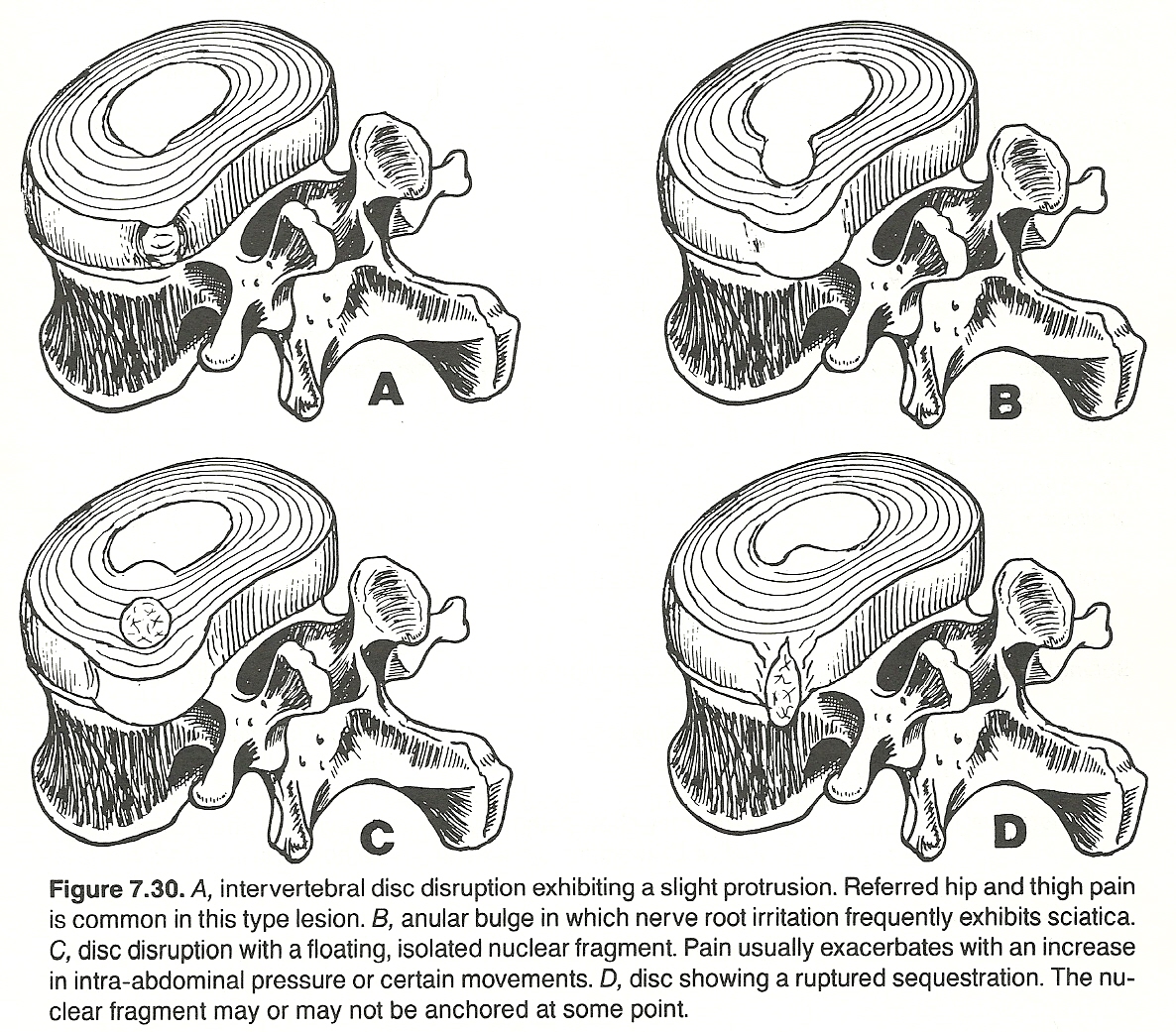
The majority of patients in this study had either extruded or sequestered disc herniations. Patients with sequestered herniations treated with SMT to the level of herniation reported significantly higher levels of leg pain reduction at 1 month and a higher proportion reported improvement at all data collection time points compared to patients with extruded disc herniations but this did not reach statistical significance. Further investigation is needed to determine mechanisms for this finding. This also calls into question the seriousness of disc sequestration in determining appropriate treatment.
|
|
|
Does Cervical Spine Manipulation Reduce Pain in People
with Degenerative Cervical Radiculopathy? A
Systematic Review of the Evidence, and a
Meta-analysis
Clinical Rehabilitation 2016 (Feb); 30 (2): 145-155 ~ FULL TEXT
Three trials with 502 participants were included. Meta-analysis suggested that cervical spine manipulation (mean difference 1.28, 95% confidence interval 0.80 to 1.75; P < 0.00001; heterogeneity: Chi2 = 8.57, P = 0.01, I2 = 77%) improving visual analogue scale for pain showed superior immediate effects compared with cervical computer traction. The overall strength of evidence was judged to be moderate quality.
|
|
|
Metabolic Syndrome Components Are Associated with
Intervertebral Disc Degeneration: The Wakayama Spine Study
PLoS One. 2016 (Feb 3); 11 (2): e0147565 ~ FULL TEXT
Metabolic Syndrome (MS) components were significantly associated with thoracic intervertebral disc degeneration (DD). Furthermore, accumulation of MS components significantly increased the odds ratio [OR] for thoracic DD. These findings support the need for further studies of the effects of metabolic abnormality on DD.
|
|
|
Spinal Manipulation and Home Exercise With Advice for
Subacute and Chronic Back-related Leg Pain:
A Trial With Adaptive Allocation NCT00494065
Annals of Internal Medicine 2014 (Sep 16); 161 (6): 381—391 ~ FULL TEXT
Of the 192 enrolled patients, 191 (99%) provided follow-up data at 12 weeks and 179 (93%) at 52 weeks. For leg pain, SMT plus HEA had a clinically important advantage over home exercise and advice (HEA) (difference, 10 percentage points [95% CI, 2 to 19]; P=0.008) at 12 weeks but not at 52 weeks (difference, 7 percentage points [CI, -2 to 15]; P=0.146). Nearly all secondary outcomes improved more with SMT plus HEA at 12 weeks, but only global improvement, satisfaction, and medication use had sustained improvements at 52 weeks. No serious treatment-related adverse events or deaths occurred.
|
|
|
The Cellular and Molecular Biology of the
Intervertebral Disc: A Clinician’s Primer
J Can Chiropr Assoc. 2014 (Sep); 58 (3): 246–257 ~ FULL TEXT
Clinicians routinely encounter patients suffering from both degenerative and acute spinal pain, often as a consequence of pathology affecting the intervertebral disc (IVD). The IVD is a complex structure essential to spinal function and is subject to degenerative disease and injury. However, due to the complexity of spinal pain syndromes it is often difficult to determine the extent of the IVD’s contribution to the genesis of spinal pain. The location of the IVD is within close proximity to vital neural elements and may in the event of pathological change or injury compromise those structures. It is therefore important that clinicians performing manual therapy understand the cellular and molecular biology of the IVD as well as its clinical manifestation of degeneration/injury in order to safely manage and appreciate the role played by the disc in the development of mechanical spinal pain syndromes.
|
|
|
Outcomes of Acute and Chronic Patients With Magnetic
Resonance Imaging– Confirmed Symptomatic Lumbar Disc
Herniations Receiving High-Velocity, Low-Amplitude,
Spinal Manipulative Therapy: A Prospective
Observational Cohort Study With
One-Year Follow-Up
J Manipulative Physiol Ther 2014 (Mar); 37 (3): 155–163 ~ FULL TEXT
Significant improvement for all outcomes at all time points was reported (P < .0001). At 3 months, 90.5% of patients were “improved” with 88.0% “improved” at 1 year. Although acute patients improved faster by 3 months, 81.8% of chronic patients reported “improvement” with 89.2% “improved” at 1 year. There were no adverse events reported.
|
|
|
Outcomes From Magnetic Resonance Imaging–Confirmed
Symptomatic Cervical Disk Herniation Patients Treated
With High-Velocity, Low-Amplitude Spinal
Manipulative Therapy: A Prospective
Cohort Study With 3-Month Follow-Up
J Manipulative Physiol Ther 2013 (Oct); 36 (8): 461–467 ~ FULL TEXT
50 adult Swiss patients with neck pain and dermatomal arm pain; sensory, motor, or reflex changes corresponding to the involved nerve root; and at least 1 positive orthopaedic test for cervical radiculopathy were included. Magnetic resonance imaging-confirmed CDH linked with symptoms was required. At 2 weeks, 55.3% were "improved," 68.9% at 1 month and 85.7% at 3 months. Statistically significant decreases in neck pain, arm pain, and NDI scores were noted at 1 and 3 months compared with baseline scores (P < .0001). Of the subacute/chronic patients, 76.2% were improved at 3 months.
|
|
|
Intradiscal Pressure Changes During Manual Cervical Distraction:
A Cadaveric Study
Evid Based Complement Alt Med. 2013 (Aug 20); 2013: 954134 ~ FULL TEXT
The objective of this study was to measure intradiscal pressure (IDP) changes in the lower cervical spine during a manual cervical distraction (MCD) procedure. Incisions were made anteriorly, and pressure transducers were inserted into each nucleus at lower cervical discs. Four skilled doctors of chiropractic (DCs) performed MCD procedure on nine specimens in prone position with contacts at C5 or at C6 vertebrae with the headpiece in different positions. IDP changes, traction forces, and manually applied posterior-to-anterior forces were analyzed using descriptive statistics. IDP decreases were observed during MCD procedure at all lower cervical levels C4–C5, C5–C6, and C6–C7. The mean IDP decreases were as high as 168.7 KPa. Mean traction forces were as high as 119.2 N. Posterior-to-anterior forces applied during manual traction were as high as 82.6 N. Intraclinician reliability for IDP decrease was high for all four DCs. While two DCs had high intraclinician reliability for applied traction force, the other two DCs demonstrated only moderate reliability. IDP decreases were greatest during moving flexion and traction. They were progressevely less pronouced with neutral traction, fixed flexion and traction, and generalized traction.
|
|
|
Early Adolescent Lumbar Intervertebral Disc Injury:
A Case Study
Chiropractic & Manual Therapies 2013 (Apr 26); 21: 13 ~ FULL TEXT
This article describes and discusses the case of an adolescent male with lumbar intervertebral disc injury characterized by chronic low back pain (LBP) and antalgia. A 13-year-old boy presented for care with a complaint of chronic LBP and subsequent loss of quality of life. The patient was examined and diagnosed by means of history, clinical testing and use of imaging. He had showed failure in natural history and conservative management relief in both symptomatic and functional improvement, due to injury to the intervertebral joints of his lower lumbar spine. Discogenic LBP in the young adolescent population must be considered, particularly in cases involving even trivial minor trauma, and in those in which LBP becomes chronic. More research is needed regarding long-term implications of such disc injuries in young people, and how to best conservatively manage these patients. A discussion of discogenic LBP pertaining to adolescent disc injury is included.
|
|
|
Manipulation or Microdiskectomy for Sciatica?
A Prospective Randomized Clinical Study
J Manipulative Physiol Ther. 2010 (Oct); 33 (8): 576–584 ~ FULL TEXT
One hundred twenty patients presenting through elective referral by primary care physicians to neurosurgical spine surgeons were consecutively screened for symptoms of unilateral lumbar radiculopathy secondary to LDH at L3–4, L4–5, or L5–S1. Forty consecutive consenting patients who met inclusion criteria (patients must have failed at least 3 months of nonoperative management including treatment with analgesics, lifestyle modification, physiotherapy, massage therapy, and/or acupuncture) were randomized to either surgical microdiskectomy or standardized chiropractic spinal manipulation. Crossover to the alternate treatment was allowed after 3 months. Sixty percent of patients with sciatica who had failed other medical management benefited from spinal manipulation to the same degree as if they underwent surgical intervention. Of 40% left unsatisfied, subsequent surgical intervention confers excellent outcome. Patients with symptomatic LDH failing medical management should consider spinal manipulation followed by surgery if warranted.
|
|
|
Cost and Use of Conservative Management of Lumbar Disc
Herniation Before Surgical Discectomy
Spine J. 2010 (Jun); 10 (6): 463–468
Lumbar discectomy is one of the most common spine surgical procedures. The average charge for discectomy procedure was $7,841. Although a large number of patients will ultimately require surgical intervention, given that many patients will improve with nonoperative therapy, a trial of conservative management is appropriate. This study reviewed the costs associated with various conservative measures.
|
|
|
The Effect of Backpacks on the Lumbar Spine in Children:
A Standing Magnetic Resonance Imaging Study
Spine (Phila Pa 1976) 2010 (Jan 1); 35 (1): 83–88
This is the first study to use advanced imaging to demonstrate how backpack loads are responsible for a significant amount of back pain in children, which in part, may be due to changes in lumbar disc height or curvature. This is the first upright MRI study to document reduced disc height and greater lumbar asymmetry for common backpack loads in children.
|
|
|
Kinematic Analysis of the Relationship Between Sagittal
Alignment and Disc Degeneration in the Cervical Spine
Spine (Phila Pa 1976). 2008 (Nov 1); 33 (23): E870—876 ~ FULL TEXT
The present study demonstrated that the changes in sagittal alignment of the cervical spine affect the kinematics. Consequently, it may cause changes in the segment subjected to maximum load for overall motion and accelerate its degeneration.
|
|
|
Cervical Myelopathy: A Case Report of a “Near-Miss”
Complication to Cervical Manipulation
J Manipulative Physiol Ther 2008 (Sep); 31 (7): 553–557 ~ FULL TEXT
Cases have been reported in which radiculopathy or myelopathy secondary to herniated disk has occurred after cervical manipulation. In each case, it is not possible to determine whether the neurologic symptoms and signs were directly caused by the manipulation or whether they developed as part of the natural history of the disorder. The purpose of this article is to report a case in which a patient with radiculopathy secondary to herniated disk was scheduled to receive manipulation but just before receiving this treatment developed acute myelopathy.
|
|
|
Improvement of Lower Extremity Electrodiagnostic Findings
Following a Trial of Spinal Manipulation
and Motion-based Therapy
Chiropractic & Osteopathy 2006 (Sep 12); 14: 20 ~ FULL TEXT
An elderly male patient presented to a private spine clinic with right-sided foot drop. He had been prescribed an ankle-foot orthosis for this condition. All sensory, motor, and reflex findings in the right leg and foot were absent. This was validated on prior electromyography and nerve conduction velocity testing, performed by a board certified neurologist. Patient was treated using spinal manipulation twice-weekly and wobble chair exercises three times daily for 90 days total. Following this treatment, the patient was referred for follow-up electrodiagnostic studies. Significant improvements were made in these studies as well as self-rated daily function.
There are more studies like this at the Chiropractic Case Reports Page.
|
|
|
Chiropractic Manipulation in the Treatment of Acute Back Pain
and Sciatica with Disc Protrusion: A Randomized Double-blind
Clinical Trial of Active and Simulated Spinal Manipulations
Spine J. 2006 (Mar); 6 (2): 131–137 ~ FULL TEXT
A total of 64 men and 38 women aged 19-63 years were randomized to manipulations (53) or simulated manipulations (49). Manipulations appeared more effective on the basis of the percentage of pain-free cases (local pain 28 vs. 6%; p<.005; radiating pain 55 vs. 20%; p<.0001), number of days with pain (23.6 vs. 27.4; p<.005), and number of days with moderate or severe pain (13.9 vs. 17.9; p<.05). Patients receiving manipulations had lower mean VAS1 (p<.0001) and VAS2 scores (p<.001). A significant interaction was found between therapeutic arm and time. There were no significant differences in quality of life and psychosocial scores. There were only two treatment failures (manipulation 1; simulated manipulation 1) and no adverse events.
|
|
|
Manipulation in the Presence of Cervical Spinal Cord Compression:
A Case Series
J Manipulative Physiol Ther 2006 (Mar); 29 (3): 236–144 ~ FULL TEXT
The finding of cervical spinal cord encroachment on magnetic resonance imaging, in and of itself, should not necessarily be considered an absolute contraindication to manipulation. However, because radicular and myelopathic complications to cervical manipulation have been reported in the literature, great care should be taken in all cases, particularly those in which anatomic conditions such as cord encroachment are present.
|
|
|
Chiropractic High-velocity Low-amplitude Spinal Manipulation
in the Treatment of a Case of Postsurgical
Chronic Cauda Equina Syndrome
J Manipulative Physiol Ther 2004 (Nov); 27 (9): 574–578 ~ FULL TEXT
A 35-year-old woman presented with complaints of midback pain, low-back pain, buttock pain, saddle anesthesia, and bladder and bowel incontinence, all of 6 months duration. The patient was 6 months post emergency surgery for acute cauda equina syndrome due to lumbar disc herniation. She had been released from neurosurgical care with the current symptoms considered to be residual and nonprogressive. The patient was treated with high-velocity low-amplitude spinal manipulation and ancillary myofascial release. After 4 treatments, the patient reported full resolution of midback, low back, and buttock pain. The patient was seen another 4 times with no improvement in her neurologic symptoms. No adverse effects were noted.
|
|
|
Safety of Spinal Manipulation in the Treatment of Lumbar
Disk Herniations: A Systematic Review and Risk Assessment
J Manipulative Physiol Ther 2004 (Mar); 27 (3): 197–210 ~ FULL TEXT
Prospective/retrospective studies and review papers were graded according to quality, and results and conclusions were tabulated. From the data published, an estimate of the risk of spinal manipulation causing a clinically worsened disk herniation or cauda equina syndrome (CES) in patients presenting with LDH was calculated. This was compared with estimates of the safety of nonsteroidal anti-inflammatory drugs (NSAIDs) and surgery in the treatment of LDH. An estimate of the risk of spinal manipulation causing a clinically worsened disk herniation or CES in a patient presenting with LDH is calculated from published data to be less than 1 in 3.7 million.
|
|
|
Single-blind Randomised Controlled Trial of Chemonucleolysis
and Manipulation in the Treatment of Symptomatic Lumbar Disc Herniation
European Spine Journal 2000 (Jun); 9 (3): 202–207 ~ FULL TEXT
Crude cost analysis suggested an overall financial advantage from manipulation. Because osteopathic manipulation produced a 12-month outcome that was equivalent to chemonucleolysis, it can be considered as an option for the treatment of symptomatic lumbar disc herniation, at least in the absence of clear indications for surgery. In this study it was shown that for managing disc herniations, the cost of treatment failures following a medical course of treatment [chymopapain injections] averaged 300 British pounds per patient, while there were no such costs following spinal manipulation.
|
|
|
Is It Safe to Adjust the Cervical Spine
in the Presence of a Herniated Disc?
Dynamic Chiropractic (June 12, 2000)
I am often asked by chiropractors, medical doctors and patients if manipulation of the cervical spine is safe in the presence of a cervical herniated nucleus pulposis (CHNP). I usually answer that in most circumstances it not only is safe, but it is often an essential aspect of treatment. I will clarify what this means and provide some of the evidence that supports this notion. I will also illustrate that in most of cases that require treatment, manipulation alone is not a sufficient approach, but that some form of rehabilitation is necessary.
|
|
|
Manipulative Therapy in Lower Back Pain With
Leg Pain and Neurological Deficit
J Manipulative Physiol Ther 1998 (May); 21 (4): 288–294
The patient was initially treated with ice followed by flexion-distraction therapy. This was used over the course of her first three visits. Once she was in less pain, side posture manipulation was added to her care. Nine treatments were required before she was released from care.
|
|
|
Treatment of Cervical Disc Protrusions Via
Instrumental Chiropractic Adjustment
J Manipulative Physiol Ther 1998 (Feb); 21 (2): 114–121
The patient was initially treated with high-velocity manual manipulation of the cervical spine and reported a subsequent aggravation of her symptoms. Thereafter, she was treated with short-lever, mechanical-force, manually-assisted chiropractic adjusting procedures to the cervical spine, utilizing an Activator Adjusting Instrument. She tolerated the treatment well and subsequently experienced a complete resolution of the presenting symptoms.
|
|
|
Magnetic Resonance Imaging and Clinical Follow-up: Study of
27 Patients Receiving Chiropractic Care for Cervical
and Lumbar Disc Herniations
J Manipulative Physiol Ther 1996 (Nov); 19 (9): 597–606
Clinically, 80% of the patients studied had a good clinical outcome with postcare visual analog scores under 2 and resolution of abnormal clinical examination findings. Anatomically, after repeat MRI scans, 63% of the patients studied revealed a reduced size or completely resorbed disc herniation. There was a statistically significant association (p < .005) between the clinical and MRI follow-up results. Seventy-eight percent of the patients were able to return to work in their predisability occupations.
|
|
|
Chiropractic Management and Manipulative Therapy for
MRI Documented Cervical Disk Herniation
J Manipulative Physiol Ther 1994 (Mar); 17 (3): 177–185
The patients were prescribed a treatment regimen consisting of chiropractic management including bracing, physiotherapy, cervical manipulative procedures, traction and exercises. The patients responded well to care as evidence by posttreatment MRI, electrodiagnostic studies, clinical exam findings and thermography scan findings. Patients with and without nerve root compression secondary to cervical disk herniation can and do respond well to chiropractic care. Chiropractic management of this condition can and should be employed prior to more invasive treatment.
|
|
|
Chiropractic Treatment of Cervical Radiculopathy Caused
by a Herniated Cervical Disc
J Manipulative Physiol Ther 1994 (Feb); 17 (2): 119–123
Treatment included chiropractic manipulative therapy, longitudinal cervical traction and interferential therapy. The patient began a regular schedule of treatments, which started on a daily basis but were gradually reduced as the patient progressed. By the third week of treatment, neck and shoulder pain was completely resolved. Subjective evaluation indicated the radicular pain to be improved by 60% within 6 wk. The patient's pain, numbness and grip strength returned to normal within 5 months. Conservative treatment including chiropractic manipulative therapy seems to be a reasonable alternative to surgery, for cervical radiculopathy caused by a herniated cervical disc. Clinical trials should be performed to evaluate long term success rate, risk of permanent disability, rate of recovery and cost effectiveness of this and other forms of treatment for cervical radiculopathy caused by herniated nucleus pulposus.
|